
 EN
EN
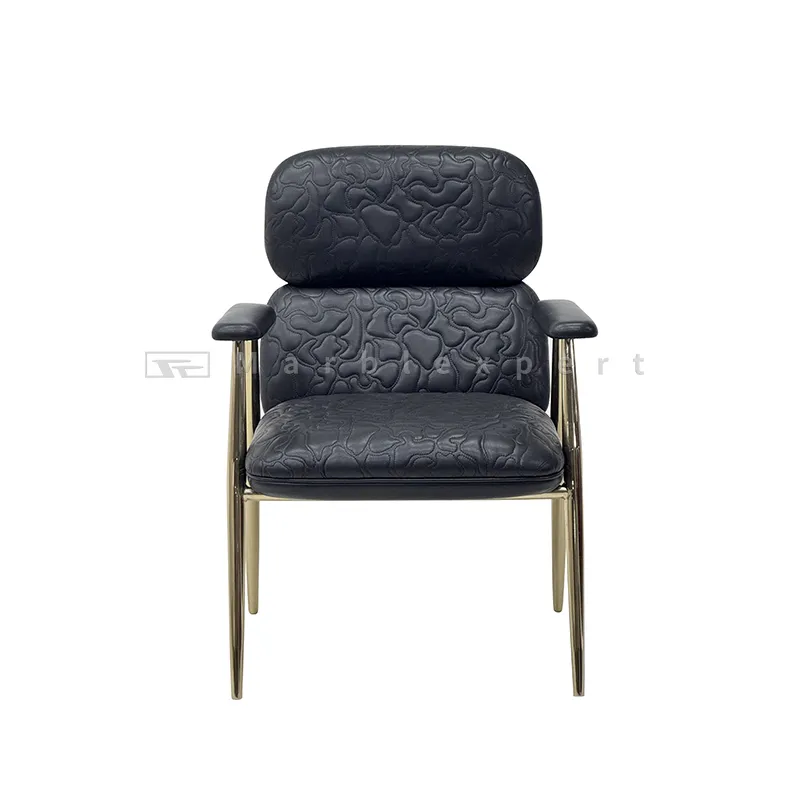
Functional Advantages of Black Modern Dining Chairs
Durability and Scuff Resistance in High-Traffic Dining Environments
Black modern dining chairs excel in high-traffic spaces thanks to their ability to conceal everyday wear. Matte or lightly textured black finishes effectively mask scuffs from chair movement, shoe contact, and incidental impacts—unlike lighter hues that highlight every abrasion. Materials such as powder-coated steel and rubberwood (Janka hardness: 980 lbf) resist dents better than softer woods, while black’s visual camouflage reduces the perception of surface damage by up to 70% compared to beige or white. This combination of resilient construction and color psychology extends furniture lifespan significantly—especially valuable in homes with children or frequent gatherings.
Stain Resistance and Longevity: Practical Benefits Over Lighter Finishes
Black’s stain-masking properties deliver unmatched practicality in dining settings. Spills from coffee, wine, or sauces blend discreetly into dark surfaces, eliminating the constant cleaning required for light-colored chairs. Industry testing shows black upholstery retains its appearance 40% longer than cream alternatives under identical spill conditions. Additionally, black pigments exhibit superior resistance to UV fading compared to pastels, preserving color integrity over years of exposure. These attributes make black modern dining chairs a low-maintenance, long-term investment that sustains elegance without sacrificing functionality.
Psychological and Spatial Impact of Black in Dining Design
Black as a Visual Anchor: Enhancing Proportion, Depth, and Architectural Focus
Black modern dining chairs function as intentional visual anchors that shape spatial perception. Their deep tone draws attention to key architectural elements—such as arched doorways or sculptural lighting—while receding visually to enhance perceived depth. In compact or open-concept layouts, a cluster of black chairs defines the dining zone without physical barriers, balancing proportions and reinforcing functional zoning. The color’s inherent weight also adds vertical emphasis, subtly elevating ceilings when paired with lighter walls—a subtle but powerful design lever used by interior professionals to optimize room dynamics.
Matte, Glossy, and Textured Black Finishes: How Light Interaction Shapes Ambiance
The finish of a black dining chair fundamentally shapes ambiance through light interaction. Glossy surfaces reflect ambient light, amplifying brightness and lending energy to sunlit breakfast nooks or social dining areas. Matte finishes absorb light instead, producing soft shadows and an intimate, cocoon-like atmosphere ideal for formal dinners. Textured options—like ribbed velvet or wire-brushed wood—add tactile dimensionality while diffusing light to minimize harsh contrasts. This versatility allows designers to calibrate mood precisely: glossy for vibrancy, matte for serenity, and texture for layered sophistication.
Aesthetic Versatility Across Interior Styles
Black Modern Dining Chair as a Sophisticated Neutral: Seamless Integration with Scandinavian, Industrial, Minimalist, and Transitional Interiors
Black modern dining chairs operate as a sophisticated neutral—visually grounding yet stylistically agile. In Scandinavian interiors, matte black frames contrast elegantly with pale woods and uncluttered lines, adding warmth without compromising minimalism. Industrial spaces embrace black’s raw refinement alongside exposed brick, concrete, or metal accents, reinforcing utilitarian authenticity. For transitional rooms, clean-lined black chairs bridge traditional silhouettes and contemporary materials, offering continuity across evolving aesthetics.
They also anchor maximalist schemes, where bold patterns and rich textures benefit from a stable, non-competing foundation. Unlike saturated colors that require careful coordination, black harmonizes effortlessly with cool grays, warm woods, brass, or matte black metals. Designers consistently observe that black chairs visually recede, making compact dining areas feel more spacious while directing focus toward tablescapes or architectural features. Their timeless appeal ensures relevance across design cycles—delivering lasting value far beyond seasonal trends.
Material Selection, Craftsmanship, and Ergonomic Considerations
Balancing Aesthetics and Comfort: Leather, Velvet, Powder-Coated Steel, and Performance Fabrics
Material selection critically influences both longevity and user experience. Performance fabrics offer exceptional stain resistance—ideal for homes with children or regular entertaining—without sacrificing plush comfort. Full-grain leather develops a rich patina over time, enhancing character through natural wear. Velvet delivers tactile luxury and visual depth but benefits from professional cleaning protocols in high-use settings. Powder-coated steel frames provide structural integrity and crisp, minimalist profiles capable of supporting substantial weight.
Ergonomics remain essential: seat depth should range from 16–18 inches to support thighs fully, while backrests with a subtle recline (100–105°) reduce lumbar pressure during extended meals. In warmer climates, prioritize breathable cushioning; in humid environments, moisture-wicking textiles help maintain comfort year-round. Thoughtful integration of material performance, craftsmanship quality, and human-centered design ensures these chairs meet both aesthetic and functional expectations—without compromise.
FAQ
Q: What are the advantages of black dining chairs in high-traffic areas?
A: Black dining chairs are durable and scuff-resistant, making them ideal for high-traffic environments. Their dark color conceals wear and tear effectively, extending their lifespan.
Q: How do black dining chairs affect the overall design of a dining space?
A: Black dining chairs serve as visual anchors that enhance the perception of space, depth, and proportion. They can also highlight key architectural features in a dining area.
Q: What materials are commonly used for black modern dining chairs?
A: Common materials include performance fabrics, full-grain leather, velvet, and powder-coated steel—each offering different benefits in terms of stain resistance, durability, and comfort.