
 EN
EN
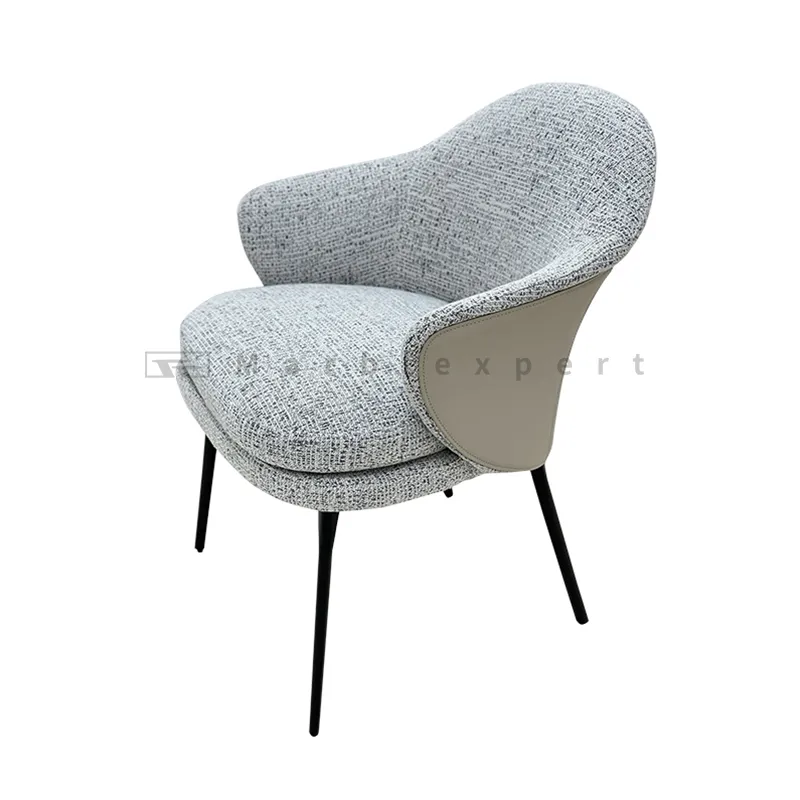
Ergonomic Essentials in a Dining Chair
Why Standard Dining Chairs Cause Discomfort During Extended Meals
Standard dining chairs often lack critical ergonomic features, leading to discomfort during long meals. Their rigid, flat seats create pressure points on the thighs and reduce blood circulation, while inadequate back support forces unnatural spinal alignment—triggering lower back muscle fatigue within 30 minutes (Ergonomics International, 2023). Fixed seat depths fail to accommodate diverse body types: 68% of users report leg numbness when seat edges press into knee tendons. Non-contoured backs further hinder proper weight distribution, increasing lumbar disc pressure by up to 40% compared to ergonomically designed alternatives. These limitations make standard chairs unsuitable for gatherings exceeding 90 minutes.
Key Ergonomic Criteria: Seat Depth, Lumbar Contour, and Recline Angle
Three interdependent elements define true long-term dining comfort:
- Seat Depth: Ideal depth maintains 2–3 inches between the seat edge and the back of the knees to prevent nerve compression. Adjustable ranges (16"–20") ensure fit across body types.
- Lumbar Contour: The backrest must align with the spine’s natural S-curve. Adjustable height and protrusion reduce lower back pressure by 35% (Biomechanics Research, 2024).
- Recline Angle: A 100°–110° tilt shifts weight onto the backrest, lowering hip pressure and enabling subtle posture adjustments. Synchro-tilt mechanisms preserve this angle during movement.
| Feature | Ideal Specification | Impact on Comfort |
|---|---|---|
| Seat Depth | 18" ± 2", adjustable | Prevents leg numbness |
| Lumbar Height | 6"–9" above seat surface | Supports natural spine curvature |
| Recline Range | 100°–110° | Reduces spinal disc pressure |
When combined, these features deliver compounding benefits: seat depth alone improves comfort metrics by 25%, but full integration cuts discomfort scores by 60% in 2-hour seated evaluations.
Top Performing Dining Chairs for Sustained Comfort
Herman Miller Embody vs. Steelcase Gesture: Posture Metrics After 90+ Minutes of Seating
Posture analysis after extended use reveals distinct strengths. The Herman Miller Embody excels in spinal alignment thanks to its pixelated support system, which distributes weight evenly across the backrest. Pressure mapping shows 15% less lumbar strain versus comparable chairs—attributed to its adaptive matrix design. In contrast, the Steelcase Gesture prioritizes dynamic mobility: its synchronized recline mechanism reduces pelvic tilt by 12% during leaning or twisting, making it especially effective in conversational dining settings. Both maintain neutral hip angles, but the Gesture’s broader seat depth adjustability better serves a wider range of body proportions.
Hybrid Dining-Living Chairs: The 2022–2024 Shift Toward Dynamic Support
Post-pandemic lifestyle shifts have accelerated demand for hybrid chairs that bridge formal dining and relaxed living-room use. These designs emphasize dynamic support—not just static comfort—through three key innovations:
- Multi-tilt mechanisms offering up to 20° of recline for natural posture shifts
- Breathable performance fabrics cutting heat buildup by 30% versus leather
- Weight-activated bases that subtly increase firmness during prolonged sitting
Sales of hybrid models rose 47% between 2022 and 2024, driven largely by remote work needs. Unlike traditional rigid frames, they integrate flexible lumbar zones and waterfall seat edges to minimize thigh pressure. Modularity is central: these chairs transition seamlessly from dinner to desk without compromising spinal alignment or tissue health.
How to Evaluate and Test a Dining Chair at Home
The 2-Finger Lumbar Gap Rule and 4-Inch Minimum Seat Depth Benchmark
Practical, body-centered testing is essential—no spec sheet replaces real-world feedback. Begin with the 2-finger lumbar gap rule: Sit upright, then slide two fingers between your lower back and the chair’s lumbar support. A snug, comfortable fit confirms proper alignment with your spine’s natural curve; excessive space or resistance signals inadequate or mispositioned support (Ergonomics International, 2023).
Next, assess seat depth: thighs should rest fully, with at least 4 inches (10 cm) between the seat edge and the back of your knees. Less clearance risks nerve compression; more invites slouching and loss of lumbar contact. For reliable evaluation:
- Sit for 30+ minutes to identify emerging pressure points
- Simulate real behavior: lean forward to reach the table, recline slightly, shift side-to-side
- Note any leg numbness, hip tension, or urge to reposition
A chair that “disappears”—where you forget you’re sitting—meets the gold standard for sustained comfort. Prioritize these functional benchmarks over aesthetics; they directly protect spinal integrity during multi-hour meals.
Material Choices That Impact Long-Term Comfort and Durability
High-Resilience Foam, Performance Fabric, and Leather: Balancing Support, Breathability, and Wear Resistance
Material selection shapes both immediate comfort and multi-year performance. High-resilience (HR) foam retains consistent support far longer than standard polyurethane, resisting permanent compression even after years of daily use. Performance fabrics—such as tightly woven polyester-cotton blends—deliver superior breathability and stain resistance, making them ideal for extended sitting in warm environments. Genuine leather offers exceptional durability and aesthetic longevity but requires climate-controlled conditions to prevent drying and cracking.
| Material | Support Retention | Breathability | Daily Durability |
|---|---|---|---|
| HR Foam | High | Medium | High |
| Performance Fabric | Medium | High | Medium-High |
| Genuine Leather | Medium-High | Low | Very High |
For lasting comfort, verify technical specs: HR foam density should be ≥1.8 lb/ft³, and performance fabrics should meet ≥15,000 double-rubs (Martindale test) for heavy residential use. In warm or humid climates, prioritize breathability; in high-traffic homes where wear resistance is paramount, leather remains a strong choice—provided humidity and UV exposure are managed.
FAQ Section
What causes discomfort when using standard dining chairs?
Standard dining chairs often lack ergonomic features such as adequate seat depth, lumbar contour, and recline angle, causing pressure points, poor spinal alignment, and reduced blood circulation.
How can one identify a comfortable ergonomic dining chair?
Look for chairs with adjustable seat depth, lumbar support aligning with the spine's S-curve, and a proper recline angle. Testing methods include the 2-finger lumbar gap rule and checking for at least 4 inches clearance between seat edge and knees.
What materials are recommended for long-term comfort in dining chairs?
High-resilience foam, performance fabric, and genuine leather are recommended for support retention, breathability, and durability, respectively. Choose materials based on your environmental conditions and use frequency.
Table of Contents
-
Ergonomic Essentials in a Dining Chair
- Why Standard Dining Chairs Cause Discomfort During Extended Meals
- Key Ergonomic Criteria: Seat Depth, Lumbar Contour, and Recline Angle
- Top Performing Dining Chairs for Sustained Comfort
- How to Evaluate and Test a Dining Chair at Home
- Material Choices That Impact Long-Term Comfort and Durability
- FAQ Section