
 EN
EN
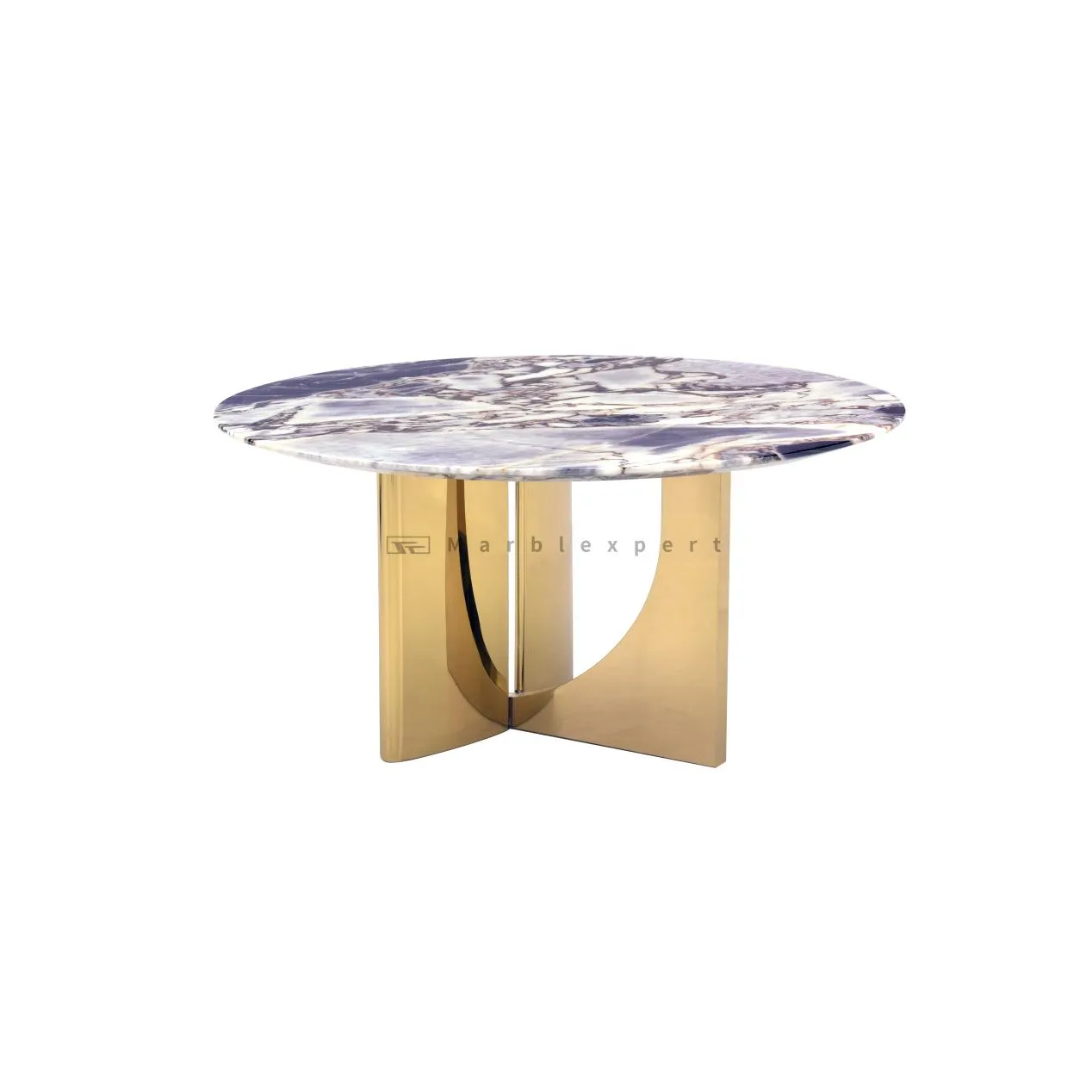
What Makes a Stone Inlay Dining Table Different
A stone inlay dining table is not simply a slab of marble placed on legs. It is a furniture piece where the tabletop surface integrates natural stone through one of several inlay techniques. The most common approach uses a solid stone base, such as white Carrara marble or black Marquina marble, into which patterns are hand-cut and filled with contrasting stones to create decorative borders, central medallions, or full-surface geometric designs. Another method combines stone segments with wood or metal frameworks to form a composite surface where the stone elements serve as visual focal points. A third variation involves thin stone veneer inlays set into engineered wood or MDF tabletop cores, offering a lighter-weight option at a reduced cost. Regardless of the specific construction method, the unifying characteristic of a stone dining table with inlay work is that the surface you touch, eat from, and gather around is genuinely stone, not a photograph printed under plastic. This distinction matters because the material properties of natural stone influence how the table performs under dining conditions: hot serving dishes, spilled wine, scratched plates, and daily cleaning all interact with stone differently than with wood, glass, or laminate.
Why Stone Inlay Dining Tables Are Ideal for Formal Dining Rooms
A formal dining room is designed for hosting: holiday meals, dinner parties, business entertaining. The dining table functions as both a practical surface and a social stage. A stone dining table with inlay meets these dual demands in ways that other materials do not. Visually, the inlay work creates a surface that rewards close inspection, giving dinner guests something to admire and discuss. Functionally, stone handles the thermal load of hot serving dishes placed directly on its surface. A casserole dish at one hundred and eighty degrees Celsius will not scorch, bubble, or leave a permanent ring on sealed natural stone the way it would on lacquered wood. Stone also provides the weight and stability that prevent a large dining table from shifting when guests lean on it or when it is being set with heavy serveware. In formal settings where presentation matters, the uniform cool surface of stone allows tableware, glassware, and centerpieces to sit perfectly level. The acoustic properties of stone differ from those of wood as well: conversation around a stone dining table sounds slightly different because the hard surface reflects sound rather than absorbing it, which can actually improve speech clarity in a dining room with soft furnishings that absorb excess reverberation.
Durability and Hygiene Advantages for Daily Dining Use
For homeowners who use their dining room regularly rather than reserving it for special occasions, the day-to-day performance of a stone dining table becomes important. Sealed natural stone is non-porous at the surface level, meaning liquids bead up rather than soaking in. Red wine spilled during dinner can be wiped away without staining, provided the table has been properly sealed. Tomato-based sauces, coffee, and oil-based dressings pose no threat to a sealed stone surface when cleaned promptly. This hygienic quality extends to bacterial resistance. Unlike wood surfaces where knife marks and grain crevices can harbor food particles and bacteria, a polished stone tabletop presents no such hiding places. The surface can be cleaned with a food-safe disinfectant without risk of damage, which matters for families with young children or members with compromised immune systems. Heat resistance is another practical benefit. Stone conducts and dissipates heat evenly, so a hot serving bowl placed on one spot will not create a permanent heat mark. These functional benefits mean a stone dining table with inlay can serve as the primary dining surface in a busy household while maintaining its appearance over years of daily use.
Design Versatility Across Interior Styles
Stone inlay dining tables are adaptable across a wide range of interior design styles. In a classical or traditional setting, a dining table with an elaborate floral inlay border and turned wood or carved stone pedestal legs reinforces the room's formal character. In a transitional interior that blends traditional and contemporary elements, a simpler geometric inlay pattern in muted stone tones paired with clean-lined metal legs bridges the two styles effectively. For contemporary and minimalist spaces, a dining table featuring a single inlaid geometric centerpiece on an otherwise unadorned stone surface provides a subtle focal point without visual clutter. Even industrial-style interiors benefit from stone inlay dining tables when paired with raw steel or iron bases, creating tension between the refined stone surface and the rugged metal substructure. The stone palette itself offers extensive choices: white marble inlay with black or gray geometric patterns suits monochromatic interiors, while warmer stones like travertine or beige marble with inlay in terracotta tones complement Mediterranean or desert-modern design schemes. This design flexibility means a stone dining table with inlay can be selected to match existing decor rather than requiring a room to be designed around it.
Practical Sourcing Scenario: Furnishing a High-End Residential Project
An interior design firm is furnishing a luxury penthouse where the client requested a dining table that serves as an art piece while accommodating weekly dinner parties for eight to ten guests. The design team evaluated several options. A solid walnut table offered warmth but raised concerns about heat damage from serving dishes and the need for regular refinishing. A glass-topped table felt too cold and modern for the client's transitional interior style. The team specified a rectangular stone dining table measuring three meters in length, with a white marble base and an inlaid border pattern in dark green serpentine and pale gray agate. Stainless steel legs provided structural support while keeping the visual weight low. The table was treated with an impregnating sealer rated for food-contact surfaces. After installation, the client reported that the table functioned exactly as intended: hot dishes were placed directly on the surface without trivets, red wine spills wiped clean without trace, and dinner guests consistently commented on the inlay work. The project demonstrates how a stone dining table with inlay resolves the functional concerns that often accompany luxury furniture purchases, providing the aesthetic impact clients want without the maintenance anxiety they fear.
How to Evaluate a Stone Inlay Dining Table Before Purchase
Buyers considering a stone dining table with inlay should assess several practical dimensions beyond visual appeal. Table thickness matters for both aesthetics and structural integrity. A dining tabletop should be at least eighteen to twenty millimeters thick for stone to span the required length without risk of cracking under load. Thinner stone requires a substrate backing, which is acceptable if properly engineered but should be disclosed by the supplier. Edge profiles also warrant attention. A bullnose or eased edge is less prone to chipping than a sharp square edge, which matters in a high-traffic dining setting where chairs and serving pieces regularly contact the table edge. The inlay craftsmanship should be inspected for flushness across the entire surface. Any raised or recessed inlay pieces indicate quality issues and will trap food debris. For tables with extension leaves, verify that the inlay pattern continues across the leaves or that the leaves are designed with complementary rather than matching patterns so that the table looks intentional when extended. Finally, confirm the weight of the assembled table and ensure the floor structure can support it, as a large stone dining table may weigh two hundred to four hundred kilograms fully assembled.
Table of Contents
- What Makes a Stone Inlay Dining Table Different
- Why Stone Inlay Dining Tables Are Ideal for Formal Dining Rooms
- Durability and Hygiene Advantages for Daily Dining Use
- Design Versatility Across Interior Styles
- Practical Sourcing Scenario: Furnishing a High-End Residential Project
- How to Evaluate a Stone Inlay Dining Table Before Purchase