
 EN
EN
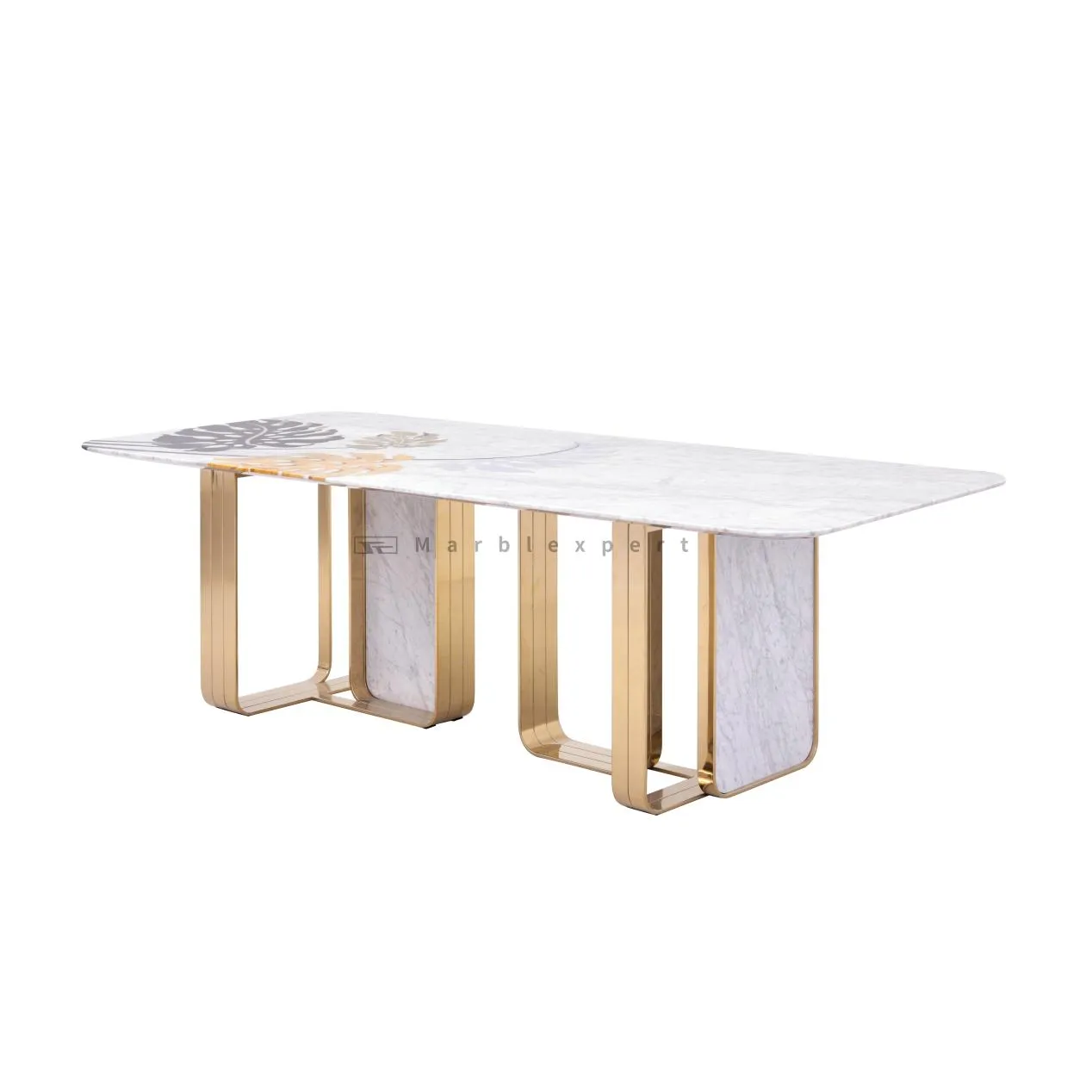
What Is Marble Inlay and How Is It Made
Marble inlay is a decorative technique in which semi-precious stones, colored marble pieces, or mother-of-pearl are cut into precise shapes and set into a carved recess in a marble or stone base to create intricate patterns and designs. The craft traces its origins to sixteenth-century Florence under the name pietra dura and reached its artistic peak in Agra, India, where artisans created the floral inlay patterns visible today on the Taj Mahal. In modern furniture production, marble inlay work begins with a base slab of marble, typically white or black, into which the design is traced and hand-carved to a depth of two to three millimeters. Individual stone pieces are then cut to fit each cavity exactly using a fine wire saw, and the pieces are set into place using a bonding adhesive formulated to remain stable under temperature fluctuation and humidity changes. After setting, the entire surface is polished to a uniform smoothness so that the inlay and the base marble sit perfectly flush with each other. The result is a seamless surface where the inlaid pattern appears to float within the stone. This labor-intensive process means a single small tabletop can require weeks of skilled work, which distinguishes genuine marble inlay from printed or painted imitations that mimic the look at a fraction of the cost but lack depth, durability, and tactile authenticity.
Why Marble Inlay Furniture Elevates Interior Design
Marble inlay furniture functions as both furniture and art. Unlike painted surfaces that can chip, fade, or peel, the inlay pattern is embedded within the stone itself and will not wear away over decades of use. Because natural stone is used throughout, each piece carries subtle color variations and vein patterns that cannot be replicated exactly, making every item unique. A marble inlay coffee table or console becomes a conversation centerpiece. The natural coolness of marble also makes it practical in warm climates, where stone surfaces remain comfortable to touch. Designers often place marble inlay pieces in entryways, formal living rooms, and master suites because the material communicates permanence and quality that synthetic alternatives struggle to match. The reflective quality of polished marble also amplifies natural and artificial light within a room, creating a sense of spaciousness that benefits smaller luxury apartments and open-plan homes alike.
Durability and Practical Value of Marble Inlay Furniture
When potential buyers compare marble inlay furniture to other luxury options such as solid wood, lacquered surfaces, or glass, durability becomes a key differentiator. Marble inlay surfaces resist scratches in daily use better than lacquer or painted wood. They do not dent the way solid wood tabletops can under heavy objects. They do not shatter from impact the way tempered glass occasionally can. A properly sealed marble inlay surface is resistant to water, wine, coffee, and common household liquids, provided spills are wiped within a reasonable timeframe. The stone inlay pieces themselves are colorfast, meaning the pigments in natural stones such as lapis lazuli, malachite, turquoise, and carnelian do not degrade under indoor lighting conditions. While marble can be etched by acidic substances like lemon juice or vinegar if left for extended periods, routine care with pH-neutral stone cleaner and periodic resealing every twelve to eighteen months maintains the surface in excellent condition indefinitely. For homeowners investing in furniture they expect to keep for decades or pass down through generations, marble inlay offers a combination of aesthetic permanence and mechanical durability that few other furniture materials can match.
Application Example: Furnishing a Formal Living Room
Consider a formal living room in a luxury residence where the design brief calls for a cohesive material language across the space. The centerpiece is a rectangular marble inlay coffee table featuring a white marble base with an inlaid floral border in green malachite and red carnelian. Flanking the seating area are two marble inlay side tables with matching geometric patterns. Across the room, a marble inlay console table sits beneath a decorative mirror, its surface pattern echoing the floral motif of the coffee table. The marble inlay furniture pieces tie the room together without overwhelming it because the natural stone palette remains restrained and organic. Visitors perceive the room as curated and intentional rather than ostentatious. The furniture functions practically for daily use while serving as permanent design assets that will not need replacement as trends change. This type of interior scenario illustrates how marble inlay delivers value that extends beyond initial visual impact into long-term design coherence and material longevity.
How Marble Inlay Compares to Alternative Luxury Furniture Surfaces
Buyers evaluating luxury furniture often weigh marble inlay against several alternative surfaces. Solid hardwood furniture with hand-carved detailing offers warmth and craftsmanship appeal but requires more frequent refinishing and remains vulnerable to moisture and insect damage in certain climates. Lacquered furniture provides high-gloss visual impact at a lower cost but scratches easily and shows fingerprints, and the finish degrades visibly within five to ten years of regular use. Tempered glass tabletops create a modern, airy look but chip at edges over time and show every smudge and dust particle. Ceramic or porcelain tile-topped furniture offers good heat and scratch resistance but lacks the depth and light refraction of polished natural stone. Marble inlay occupies a distinct position among these options by combining the natural authenticity of stone with the artistic detail of hand-inlaid patterns. The inlay technique itself adds value because it involves skilled handcraft that machine-based alternatives cannot replicate at the same level of precision and artistic quality.
What to Look for When Sourcing Marble Inlay Furniture
Procurement professionals and interior designers sourcing marble inlay furniture for luxury projects should evaluate several factors beyond aesthetics. First, confirm that the inlay pieces are hand-cut natural stone rather than resin-filled imitations by inspecting the surface at an angle under direct light. Genuine stone inlay shows subtle depth and natural color variation within individual pieces. Resin imitations appear uniform and flat. Second, examine the polish quality across the entire surface, paying particular attention to the joints where inlay pieces meet the base marble. Gaps, unevenness, or visible adhesive indicate rushed assembly. Third, verify the stone sealing treatment applied during manufacturing. A high-quality sealant should leave the surface smooth and non-porous without a plastic-like coating feel. Fourth, request documentation on the stone types used in the inlay so that end clients understand exactly what materials are in their furniture. Fifth, assess the load-bearing structure beneath marble tabletops. A well-constructed marble inlay table should have a substrate or reinforcement system that supports the stone evenly to prevent stress fractures from developing over time.
Table of Contents
- What Is Marble Inlay and How Is It Made
- Why Marble Inlay Furniture Elevates Interior Design
- Durability and Practical Value of Marble Inlay Furniture
- Application Example: Furnishing a Formal Living Room
- How Marble Inlay Compares to Alternative Luxury Furniture Surfaces
- What to Look for When Sourcing Marble Inlay Furniture