
 EN
EN
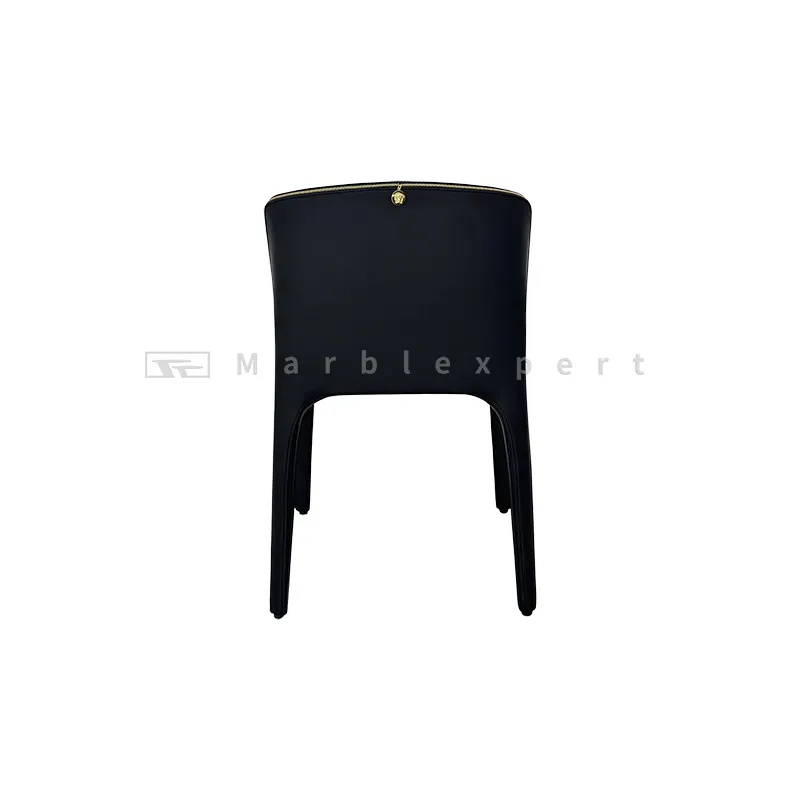
Why Affordable Dining Furniture Collects Dirt Faster
Budget-friendly dining sets face heavier daily use than high-end pieces reserved for special occasions. Families eat breakfast, lunch, and dinner at these tables. Children spill drinks. Pets brush against chair legs. Cooking oils settle on surfaces as airborne particles. Over weeks and months, these factors combine to create layers of grime that make affordable dining furniture look worn before its time. The materials used in entry-level dining chairs and tables, such as particleboard with laminate coatings, powder-coated steel, or basic polyester-blend upholstery, are functional but often lack the advanced stain-resistant treatments found in premium collections. This means dirt penetrates surfaces more readily. Moisture can seep into unfinished edges. Upholstery fibers trap food particles and skin oils. Understanding these vulnerabilities is the first step toward a cleaning routine that works with the material rather than against it.
Understanding Your Dining Chair Material Before You Clean
Every dining chair requires a different approach depending on what it is made from. Fabric-upholstered dining chairs used in many affordable dining sets typically feature polyester, polyester-cotton blends, or microfiber covers over foam padding. These materials respond well to water-based cleaning solutions but can develop water rings if soaked. Wooden dining chairs in budget collections are often rubberwood, beech, or pine with a lacquer or paint finish. The finish protects the wood, but harsh chemicals can strip it away, leaving raw wood exposed to moisture damage. Metal dining chair frames, commonly steel or aluminum with a powder-coated or chrome finish, are generally durable against cleaning agents but vulnerable to scratches that invite rust. Plastic or molded polypropylene dining chairs are among the easiest to maintain but can develop static buildup that attracts dust. Before applying any cleaning product, check the underside of the chair seat or the manufacturer's label for a care code. W means water-based cleaners are safe, S indicates solvent-only cleaning, WS allows both, and X means vacuum-only or professional care.
Step-by-Step Cleaning for Fabric and Upholstered Dining Chairs
Fabric dining chairs need a methodical approach. Start by removing loose debris. Use a vacuum cleaner with an upholstery attachment to go over the seat cushion, backrest, and even the crevices where the seat meets the frame. Pay attention to seams, as crumbs and dust collect there. Next, prepare a mild cleaning solution using one teaspoon of liquid dish soap per cup of warm water. Dip a clean microfiber cloth into the solution, wring it until it feels just damp rather than wet, and test a hidden area first, such as the underside of the seat. If the fabric does not discolor or bleed, proceed to blot stains gently rather than scrubbing, which pushes dirt deeper into the fibers. For grease stains common around dining chairs, sprinkle a small amount of baking soda directly onto the stain, let it sit for fifteen minutes to absorb the oil, then vacuum it away before applying the soap solution. Allow the chair to air-dry completely in a well-ventilated space, ideally positioned so the seat faces upward and no part is pressed against a wall. Using a fan can cut drying time significantly and prevent mildew from forming inside the foam padding.
How to Clean Wooden and Metal Dining Chair Frames
Wooden dining chair frames require a dry-first approach. Dust thoroughly with a soft microfiber cloth, then use a cloth barely dampened with water and a drop of mild soap to wipe surfaces along the grain direction. Avoid letting water pool on joints, as moisture can swell the wood over time and loosen glued connections. For sticky residue from food spills, a cloth dampened with a mixture of equal parts white vinegar and warm water works effectively without damaging most cured finishes. Dry immediately with a separate cloth. For metal dining chair frames, a damp cloth with mild dish soap handles most everyday grime. Pay special attention to the area where the seat meets the frame, as this junction collects crumbs and moisture that can lead to corrosion on budget metal chairs whose protective coating may be thinner than on commercial-grade alternatives. If minor rust spots appear on exposed metal, gently rub them with fine steel wool, then apply a small amount of clear nail polish or touch-up paint to seal the spot against further oxidation.
Daily Maintenance Habits That Extend Furniture Life
Prevention reduces how often deep cleaning is needed. Place felt pads under dining chair legs to prevent scratches on floors and to reduce wear on the chair feet, which are often the first point of failure on budget furniture. Wipe dining chair surfaces and table surfaces with a dry or lightly damp microfiber cloth after each meal to catch spills before they dry and bond to the material. Use placemats and coasters as barriers between plates, glasses, and the table surface. For homes with young children, consider washable seat cushion covers that can be removed and laundered weekly. Keep dining furniture away from direct sunlight, which fades fabric colors and can cause wood veneers to delaminate over time. Maintain consistent indoor humidity levels between thirty and fifty percent to prevent wood from cracking or metal from corroding. These small habits, when practiced consistently, can add years to the usable life of a budget dining set.
Common Cleaning Mistakes That Damage Cheap Dining Furniture
Several well-intentioned cleaning habits cause more harm than good. Using too much water on any dining chair material risks seeping into joints, padding, or particleboard cores, leading to swelling, warping, or mold. Spraying cleaner directly onto a surface rather than onto a cloth concentrates the chemical in one spot and increases the chance of damage. Mixing cleaning products, especially bleach with ammonia or vinegar, creates toxic fumes and can etch or discolor furniture surfaces. Ignoring the manufacturer's care code on upholstered dining chairs may void warranty coverage and almost certainly shortens the life of the fabric. Scrubbing aggressively with abrasive pads or stiff brushes scratches finishes, creating microscopic grooves that harbor more dirt than the original stain. The principle for budget dining furniture is always the same: start with the gentlest method, test in an inconspicuous spot, and escalate only when necessary.
Table of Contents
- Why Affordable Dining Furniture Collects Dirt Faster
- Understanding Your Dining Chair Material Before You Clean
- Step-by-Step Cleaning for Fabric and Upholstered Dining Chairs
- How to Clean Wooden and Metal Dining Chair Frames
- Daily Maintenance Habits That Extend Furniture Life
- Common Cleaning Mistakes That Damage Cheap Dining Furniture