
 EN
EN
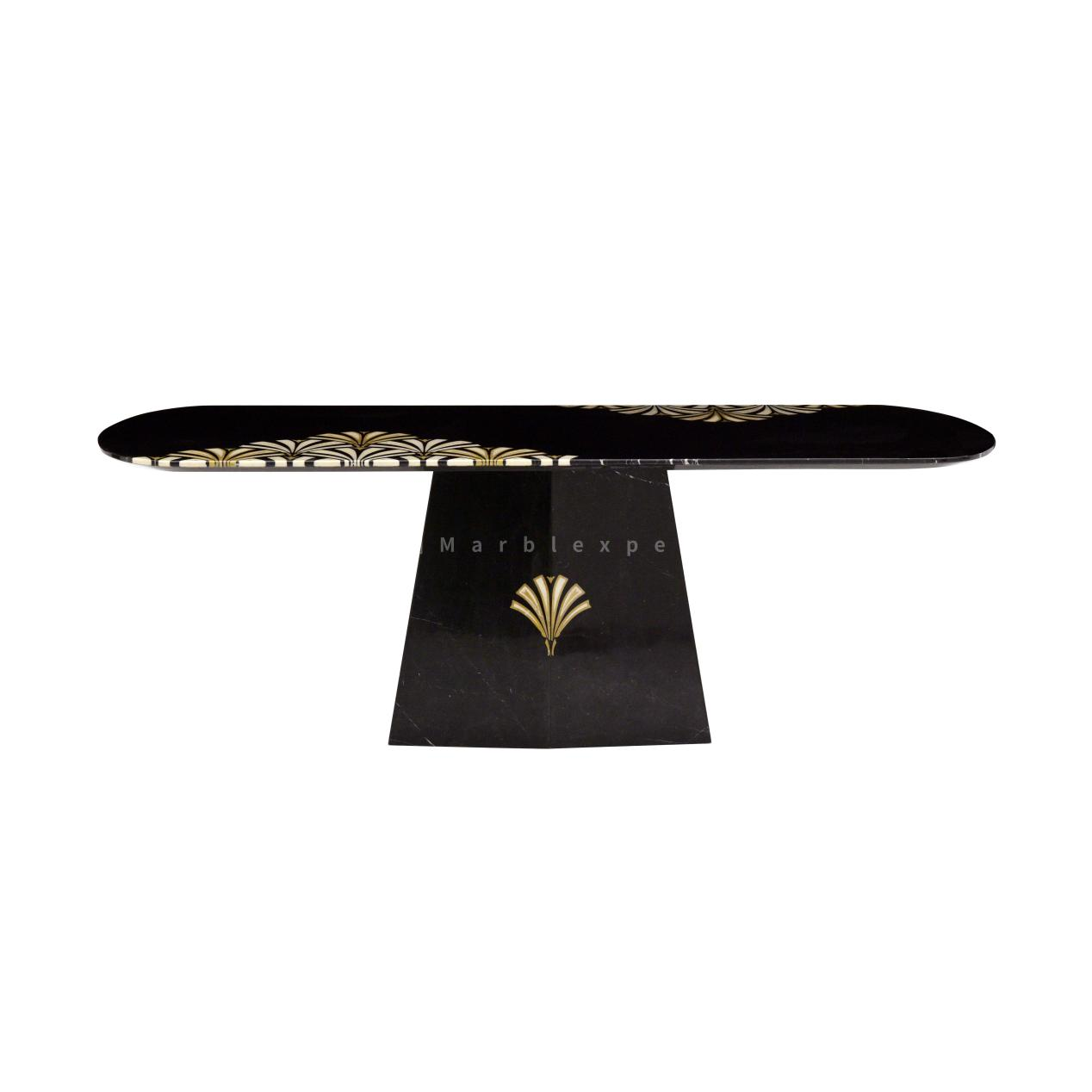
As a specialist at Fulei Stone, I have spent years on the factory floor and in design consultations, watching raw blocks of Calacatta and Carrara transform into intricate works of art. Marble inlay, or pietra dura, is not just about cutting stone; it is about the "marriage" of materials. Over the decades, we’ve learned that the secret to a breathtaking floor medallion or wall feature isn't just the quality of the marble, but how it interacts with its companions. Whether you are looking for a classic look or a contemporary edge, selecting the right secondary materials is crucial for both structural integrity and visual harmony.
Combining Various Natural Stone Varieties for Depth and Contrast
In our experience at Fulei Stone, the most natural partner for marble inlay is, quite simply, other varieties of marble and natural stone. The goal here is contrast. If your base material is a creamy Crema Marfil, you need the sharp, dramatic "pop" of a Nero Marquina or the deep greens of Verde Alpi.
From a technical perspective, matching the Mohs hardness scale of the stones is vital. If you pair a very soft marble with a very hard granite in a high-traffic floor inlay, they will wear unevenly over time, leading to a "tripping hazard" or a dull finish on one stone while the other stays polished. We always recommend choosing stones with similar density and porosity to ensure that when we perform the final polishing at our facility, the entire surface achieves a uniform, mirror-like reflection.
Incorporating Brass and Metallic Accents for Modern Luxury
One of the biggest trends we’ve seen in high-end hotel projects recently is the integration of metal into marble inlay designs. Brass, stainless steel, and copper are spectacular choices. Brass, in particular, offers a warm, gold-like glow that complements the natural veining of luxury stones like Statuario marble.
When we execute these designs, we use precision water-jet cutting to create channels in the stone where the metal strips are embedded. This requires a high degree of expertise because metal and stone expand and contract at different rates when temperatures change. We use specialized elastic epoxies to ensure the metal remains flush with the stone surface for decades. Adding a brass border to a geometric marble inlay pattern instantly elevates the space from "traditional" to "Art Deco chic."
Using Semi-Precious Stones to Create Jewel-Like Focal Points
For clients seeking the ultimate expression of luxury, we often suggest incorporating semi-precious stones like Lapis Lazuli, Malachite, or Tiger’s Eye into the marble inlay. These materials offer colors that are rarely found in standard marble—vibrant blues, deep forest greens, and shimmering golds.
Because semi-precious stones are significantly more expensive and often more brittle, they are usually reserved for the "heart" of the design, such as the center of a floral motif or a brand logo. In my professional opinion, less is more here. A small touch of blue Lapis Lazuli nestled within a white marble background creates a focal point that captures the light and the eye far more effectively than a busy, over-saturated design. This "jewelry for your floor" approach is a hallmark of premium craftsmanship.
Balancing Glass and Mother-of-Pearl for Shimmer and Texture
If you want your marble inlay to have an iridescent or ethereal quality, Mother-of-Pearl (nacre) and tinted glass are your best friends. Mother-of-Pearl is a classic material used in ancient Mediterranean mosaics, and it still holds up today. It provides a soft, pearlescent shimmer that changes as you walk past it.
At Fulei Stone, we find that these materials work best in vertical applications, such as bathroom feature walls or backsplash designs. Glass can provide a clean, modern pop of color that stone simply cannot replicate. However, because glass and shell are thinner than standard 18mm or 20mm marble slabs, our artisans must carefully back these materials with resin or stone stabilizers to bring them to the same height as the surrounding marble. This ensures a perfectly flat, seamless finish that feels smooth to the touch.
Selecting High-Quality Grout and Resin for Invisible Transitions
While not a "decorative" material in the traditional sense, the resin and grout used to bind the marble inlay are just as important as the stone itself. Many people overlook this, but the wrong adhesive can ruin a masterpiece. For a truly professional look, we use color-matched polyester resins that are pigmented to disappear into the stone’s natural color.
Trustworthiness in stone fabrication comes down to transparency about longevity. We always tell our clients that for a high-traffic marble inlay area, the "fill" must be UV-stable to prevent yellowing over time. By using high-tech Italian adhesives, we ensure that the seams between the marble and its partner materials are nearly invisible, making the entire inlay look like a single, continuous piece of stone grown by nature in a perfect pattern.
Considering Mother Nature: Wood and Marble Hybrid Designs
A more "avant-garde" approach we’ve explored is the combination of wood and marble inlay. This is particularly popular in luxury residential living rooms. The warmth of oak or walnut provides a stunning organic contrast to the cool, hard surface of the marble.
However, this is the most difficult pairing to execute. Wood is "alive"—it breathes, expands, and shrinks with humidity. To make this work, we use engineered wood products or specifically treated hardwoods, leaving microscopic expansion gaps filled with flexible sealants. When done correctly, a marble-and-wood inlay creates a grounded, earthy atmosphere that feels incredibly sophisticated. It proves that marble inlay doesn't always have to be cold; it can be part of a warm, inviting home environment.
Summary and Professional Advice for Your Next Project
In conclusion, the best material to match with marble inlay depends entirely on your desired atmosphere and the technical requirements of the space. Whether it is the classic contrast of different stones, the metallic flash of brass, or the delicate shimmer of Mother-of-Pearl, the key lies in the precision of the cut and the quality of the installation.
At Fulei Stone, we take pride in our ability to source the finest materials and utilize advanced water-jet technology to bring these complex visions to life. If you are planning a project, I recommend starting with a clear color palette and considering the lighting of the room, as this will dictate how the different textures—honed, polished, or metallic—will interact. A well-designed marble inlay is more than just a floor; it is a legacy piece that should last as long as the building itself.
Table of Contents
- Combining Various Natural Stone Varieties for Depth and Contrast
- Incorporating Brass and Metallic Accents for Modern Luxury
- Using Semi-Precious Stones to Create Jewel-Like Focal Points
- Balancing Glass and Mother-of-Pearl for Shimmer and Texture
- Selecting High-Quality Grout and Resin for Invisible Transitions
- Considering Mother Nature: Wood and Marble Hybrid Designs
- Summary and Professional Advice for Your Next Project