
 EN
EN
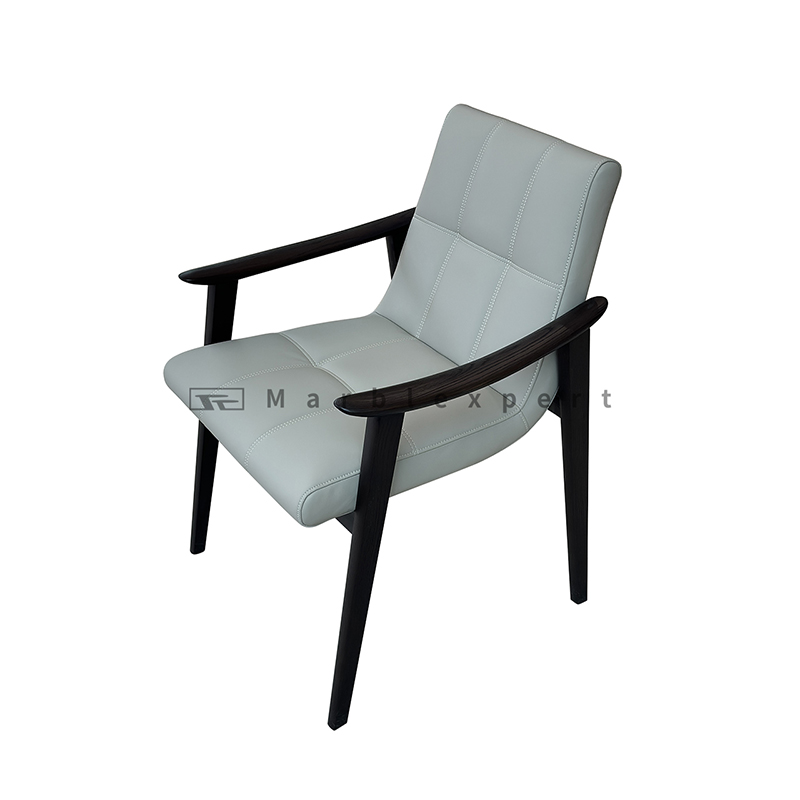
Farmhouse interiors have experienced a strong revival in recent years, especially in homes that value warmth, natural materials, and timeless craftsmanship. However, choosing the right dining chair for a rustic dining set is more complex than simply matching colors or shapes. Comfort, material durability, craftsmanship, and overall design harmony all play important roles.
Drawing on practical furniture sourcing experience and insights from interior designers and furniture manufacturing standards, this guide explains how to select the ideal dining chair for a farmhouse-style dining space.
Understanding the Core Characteristics of Farmhouse Dining Chairs
A farmhouse-style dining chair is designed to reflect authenticity, durability, and natural beauty. Unlike modern minimalist chairs that often focus on sleek lines or metal frames, farmhouse chairs emphasize wood textures, handcrafted details, and structural solidity.
Most farmhouse dining chairs are made from solid wood such as oak, rubberwood, or ash. According to furniture design guidance from organizations like the American Home Furnishings Alliance (AHFA), solid wood furniture offers superior durability and long-term structural reliability compared with particleboard or composite materials. This makes solid wood dining chairs especially suitable for everyday family use.
In many rustic dining sets, chairs feature ladder backs, spindle backs, or cross-back designs. These traditional structures not only enhance visual charm but also improve ergonomic support. A well-designed dining chair should balance aesthetic appeal with functional comfort, ensuring that family members and guests can sit comfortably during long meals.
Matching Dining Chairs With Rustic Dining Table Materials
One of the most common mistakes homeowners make is selecting dining chairs that visually clash with their dining table. A rustic dining set usually highlights natural textures, distressed finishes, or reclaimed wood aesthetics.
When selecting a dining chair, it is important to consider the material tone and surface treatment of the dining table. For example:
-
Reclaimed wood tables pair well with lightly distressed wood chairs
-
Dark farmhouse tables work well with contrasting light oak or beige upholstered chairs
-
Natural wood tables often look best with matching wood grain chairs
Furniture specialists often recommend keeping the wood tone within the same color family while allowing subtle variations in texture. This approach preserves the authentic farmhouse character without making the dining set look overly uniform.
Many premium manufacturers, including those specializing in handcrafted furniture such as the collections found on FH Marble Expert, integrate natural stone tabletops with wooden chair frames. In such combinations, the dining chair design should soften the visual weight of the stone table while maintaining structural balance.
Prioritizing Comfort and Ergonomic Support
A beautiful dining chair becomes useless if it is uncomfortable during long meals or gatherings. Comfort is one of the most critical selection criteria.
Ergonomic research in furniture design suggests that the ideal dining chair seat height should be around 17–19 inches (43–48 cm) for standard dining tables. Additionally, the backrest angle should allow a slight recline to support the natural curve of the spine.
When evaluating a farmhouse dining chair, consider the following ergonomic factors:
-
Seat depth between 16–18 inches for comfortable leg positioning
-
Slightly curved backrests for lumbar support
-
Stable four-leg construction for weight distribution
-
Optional seat cushions for extended comfort
In real-world hospitality settings—such as rustic restaurants or farmhouse-style cafés—designers often choose chairs with lightly upholstered seats. This approach preserves the rustic appearance while improving long-term comfort.
Manufacturers with extensive production experience often reinforce the chair frame with mortise-and-tenon joints, which are known for superior durability compared to simple screw-based assembly.
Evaluating Build Quality and Craftsmanship
The long-term performance of a dining chair largely depends on its craftsmanship and structural integrity. Rustic furniture may intentionally look “weathered,” but its internal construction should still meet high manufacturing standards.
Experienced furniture buyers typically inspect the following quality indicators:
Joint construction
High-quality farmhouse chairs use traditional joinery methods such as mortise-and-tenon or dowel joints.
Material consistency
Solid wood components should show consistent grain patterns and minimal filler usage.
Weight stability
A well-built dining chair should feel solid without excessive wobbling when pressure is applied.
Surface finishing
Rustic finishes should still feel smooth to the touch, without splinters or rough edges.
Furniture experts from woodworking associations often emphasize that handcrafted finishing processes improve both durability and visual authenticity. This is especially true for farmhouse furniture, where subtle texture differences create character.
Considering Style Variations Within Farmhouse Design
Farmhouse design is not a single rigid style. There are several variations that influence the type of dining chair you should choose.
Some popular farmhouse chair styles include:
Classic farmhouse ladder-back chairs
These feature horizontal wooden slats and simple craftsmanship.
Cross-back dining chairs
Often seen in French country or rustic wedding venues, they create an elegant farmhouse atmosphere.
Windsor-style chairs
These combine colonial heritage with farmhouse warmth.
Upholstered farmhouse chairs
These offer a softer look and enhanced comfort for longer dining sessions.
Interior designers often mix two types of chairs within one dining set—for example, using upholstered armchairs at the ends of the table and wooden side chairs along the sides. This strategy creates visual variety while maintaining the farmhouse aesthetic.
When selecting each dining chair, ensure that the overall proportions still align with the dining table dimensions and room layout.
Choosing Durable Finishes for Long-Term Use
Farmhouse furniture is designed to be lived with, not just displayed. Therefore, the finish applied to a dining chair should withstand daily wear.
Protective finishes commonly used in farmhouse chairs include:
-
Matte lacquer coatings
-
Natural oil finishes
-
Distressed paint layers
-
Wax-sealed wood surfaces
Each finish offers a different level of protection and visual texture. For example, oil finishes enhance natural wood grain, while lacquer provides stronger stain resistance.
Furniture manufacturers with strong quality control often test finishes for scratch resistance and moisture protection, ensuring that dining chairs remain attractive even after years of daily use.
A durable dining chair should resist food spills, minor impacts, and cleaning chemicals without losing its rustic appearance.
Ensuring Proportion and Layout Harmony
Finally, the overall visual balance of the dining area should guide your final selection.
Interior designers generally recommend allowing 24–26 inches of space per chair around a dining table to ensure comfortable seating. Oversized chairs can overcrowd the dining area, while chairs that are too small may appear visually disconnected from the table.
When choosing a farmhouse dining chair, consider:
-
The width of the dining table
-
The number of seats required
-
The available space between chairs
-
Whether armchairs will be used at the table ends
By carefully balancing these elements, homeowners can create a rustic dining space that feels inviting, functional, and visually cohesive.
Table of Contents
- Understanding the Core Characteristics of Farmhouse Dining Chairs
- Matching Dining Chairs With Rustic Dining Table Materials
- Prioritizing Comfort and Ergonomic Support
- Evaluating Build Quality and Craftsmanship
- Considering Style Variations Within Farmhouse Design
- Choosing Durable Finishes for Long-Term Use
- Ensuring Proportion and Layout Harmony