
 EN
EN
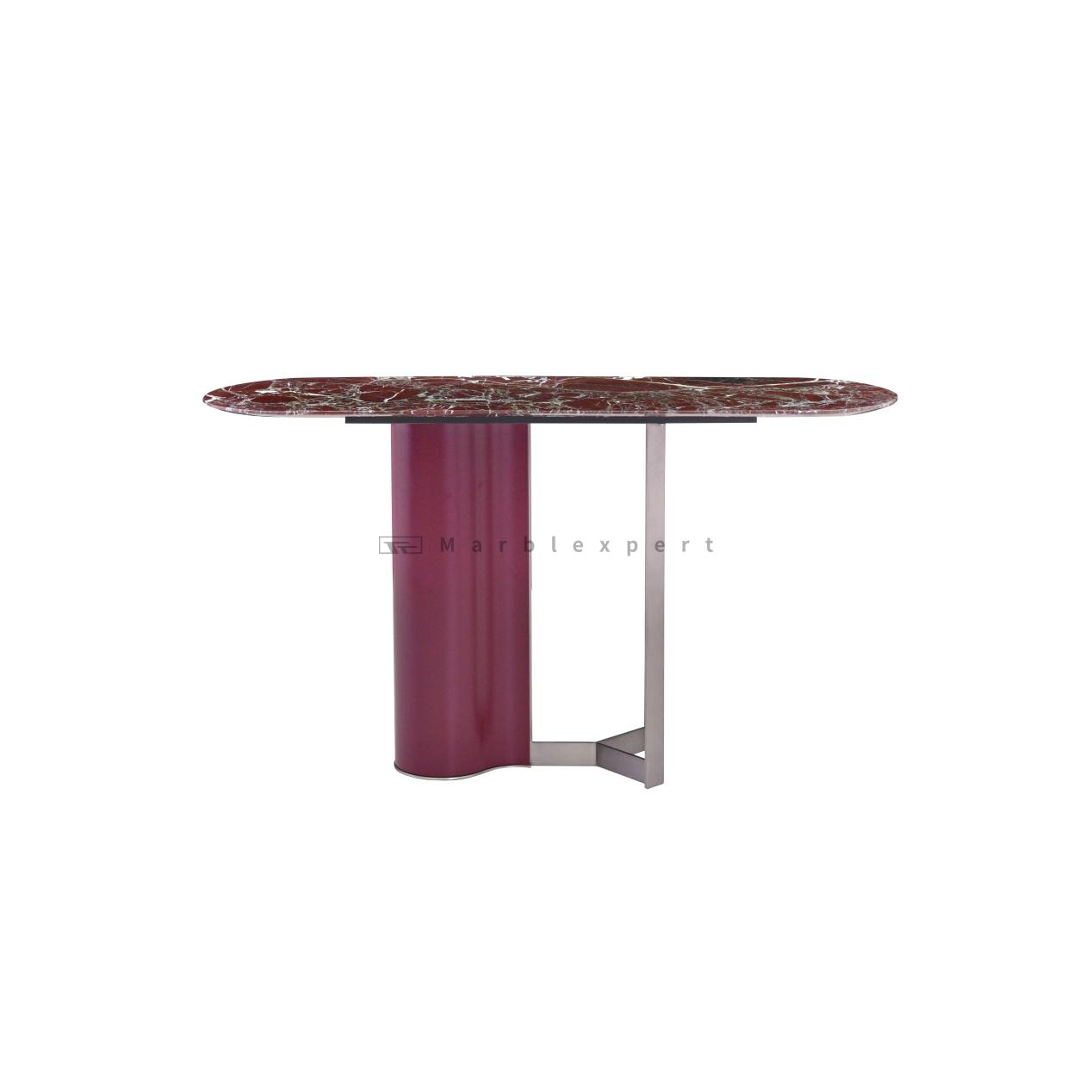
The Marble Table is a One of a Kind Marble Table has a Unique Nature
There are a few things that need to be consider before cleaning the tabletop slab. First of all, it is important to know that tabletops are made of marble, a material that is very porous and sensitive to acid. For example, Marblexpert has over 27 years of experience in the marble and stone industry, and they manufacture tablets from marble that is unique due to the different patterns. tabletops have been artificially made. Your tabletop slab also uses unique marble patterns and textures, and because of this unique nature, it will require a special cleaning process, especially when cleaning the table made of marble. Marble is made from limestone and under great pressure, therefore, the chemical composition is primarily CaCO3, which will react to any acid substances such as lemon juice, vinegar and wine. Because of this, when these substances are spilled onto the table, it will cause the table to have a dull appearance or have light scratches that are called Etching. Once you understand the unique nature of the marble tabletop slab, you will be on your way to preserving your investment and the timeless elegance and beauty that your table brings.
Gathering Your Stone Safe Cleaning Kit
You can clean your stone surfaces daily without using aggressive or damaging cleaning products. Many household cleaning products contain damaging chemicals that can permanently ruin your marble's polished stone surfaces. A good marble needs products that are pH neutral, therefore good products include stone specific cleaning products. Your Marble Cleaning Kit should include soft microfiber cloths (which should be gentle and non-abrasive), and a spray cleaning product bottle. You can create make your own stone cleaning product by mixing a few drops of neutral pH soap (such as dish soap) and warm clean water. Marble surfaces should not have damaging or acidic products, therefore cleaning products with lemon, vinegar, or abrasive cleaning scrubs. Limiting quality products, including raw material identification, is a top priority, and maintaining that quality at home starts with using the right tools.
Step 1: Wipe Marble Dusting
Should dry dusting be the first step everyone cares about? Yes! Because dust, dirt and fine grit particles are also considered abrasive. If you are about to wipe the marble table surface with a cloth and it is dusty, you are definitely marketing it. Because you will take the particles and push them into fine scratches, which you will make and it will take away the shine. When dry dusting, all the particles and debris will be removed from the surface. For larger areas, a dust mop/commercial mop designed specifically for hard floor cleaning will work best. This will take you no more than 30 seconds, and will be a very smart and efective tip to make sure the only surface scratches you have are from wear, and the surface remains shiny and smooth marble.
Step 2: Washing with a Gentle pH-Neutral Solution
When dirt and other trailer debris is out of the way, a gentle wash of the surface can be performed. Use a squeeze bottle with a simple pH neutral solution (warm water and a drop of dish soap). Lightly mist a section. Do not soak the stone, as excess water can enter the seams or micro-cracks. Use a clean, soft, and damp cloth and wipe the surface with a circular motion. The goal is to remove fingerprints, light spills, and any everyday dirt and debris from all the surfaces. It is advised that you rinse the cloth often. This way you won’t be redistributing the dirt and your cloth will remain clean. This solution will respect the delicate balance of the stone, ensuring that your furniture, like all the projects Marblexpert has dealt with over 20,000 customers worldwide, will stay flawless and will be kept like that for years, less ongoing maintenance from yourself.
Step 3: Complete Drying to Avoid Water Marks
No drying means no marble. Before leaving a site, make sure no further drying is necessary. Marble should never be allowed to air dry; water evaporation from the surface causes water marks/streaks resulting from the drying process. Drying should be completed using soft, dry, microfibre cloths and should be worked in an area of the marble to buff the marble. This should be done to improve drying completion and to allow inspection of the treated area to identify any spots, dust, or contaminants to satisfy an thorough inspection. Once drying is fully completed, the marble should be returned to its original state, clean, dry, and lustrous to mimic the care and precision of Marblexpert's process during waterjet cutting, where the stone and the artistry is always respected.
Effective, Immediate Spill Management
Spills can happen, but time is on your side. Your tabletop is made of marble, which is a very porous stone. This means it can soak up and trap stains, even ones from quick-acidic or dark, colored liquids. So, if you spill some coffee, red wine, or juice, make sure to Blot (not wipe) the soft cloth area. Wiping the area can spread the spill and increase the chance of stain spreading to nearby areas. Be sure to use a cleaning cloth and blot the spill area with a blend of water and a pH neutral cleaning solution, and make sure to dry the area well. Be sure to respond quickly to this type of spill, involving hand lotion, auto oil, and kitchen oil. But most of the time, this can be avoided buy being sure to use some type of neutral pH cleaning solution. That's the most expensve stain to get rid of, and you use custom order pieces, so it helps to do the best to keep that intact.
Using Prevention Methods: Coasters and Mats
Cleaning marble tables is unnecessary when you implement these prevention methods instead; especially since marble is sensitive to acidic foods and drinks. The first prevention step is to get a coaster. No matter what activity you are doing, always use a coaster to prevent stains. The second prevention step is to use mats. Mats will protect the surface from any extreme heat and will prevent any rough surfaces to heat up and create thermal shock which can cause cracking to the stone. Make sure you use mats for any other surface. Using enough examples for coasters will protect most surfaces from scratches. Using prevention methods on a marble tables will be apparent by the preserved stains. Just as Marblexpert will use technology to integrate the marble with other technologies for the generations to come, you will preserve the marble's unique patterns.
Table of Contents
- The Marble Table is a One of a Kind Marble Table has a Unique Nature
- Gathering Your Stone Safe Cleaning Kit
- Step 1: Wipe Marble Dusting
- Step 2: Washing with a Gentle pH-Neutral Solution
- Step 3: Complete Drying to Avoid Water Marks
- Effective, Immediate Spill Management
- Using Prevention Methods: Coasters and Mats