
 EN
EN
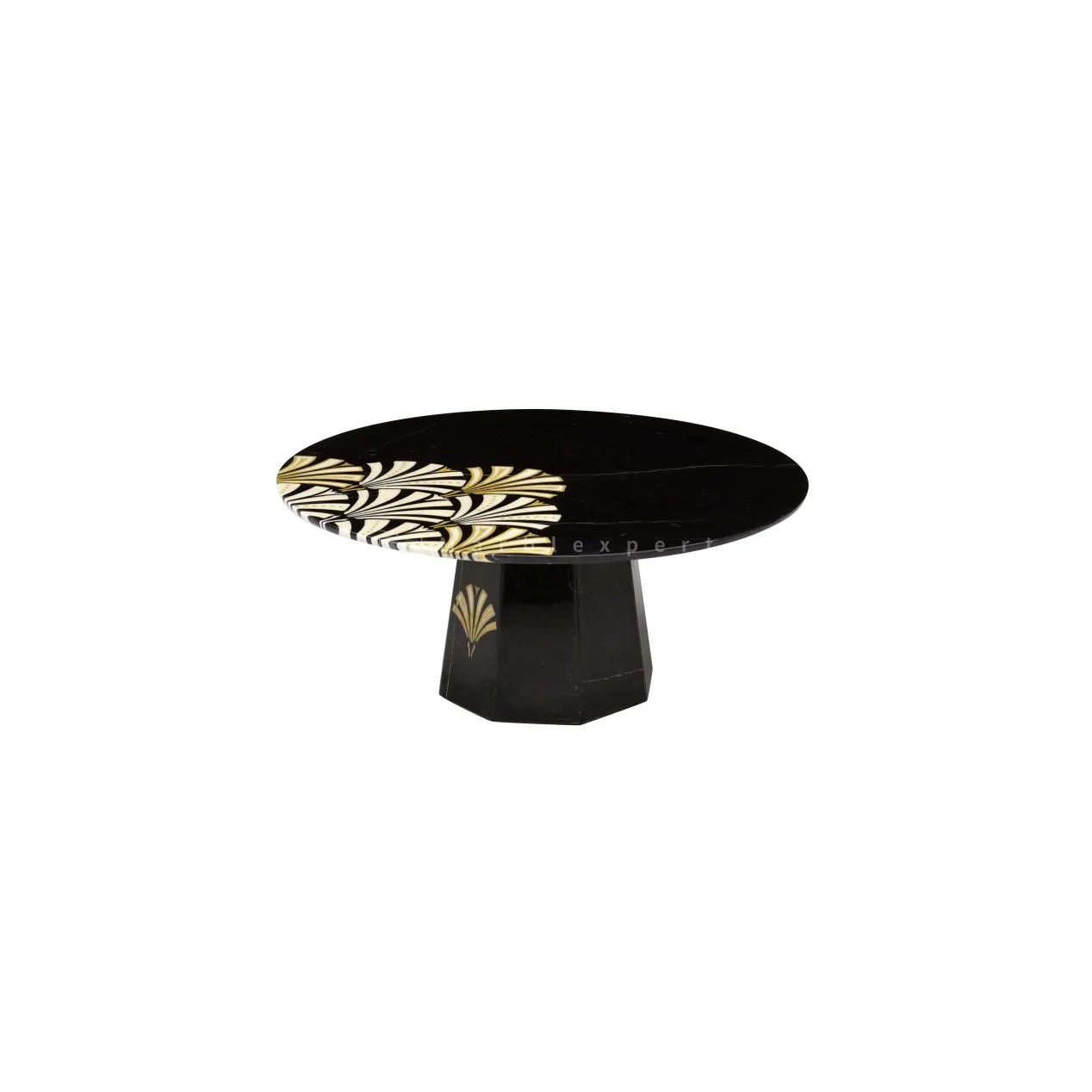
Understanding Your Marble Coffee Table: A Porous Investment in Beauty
A marble coffee table is more than a functional surface; it is a slice of geological history and artisan craftsmanship in your living room. As specialists at Marblexpert—with over 27 years of experience processing natural stone for more than 20,000 global clients—we have seen how improper cleaning is the number one cause of irreversible damage. Many owners treat marble like glass or granite, but it is fundamentally different. Marble is composed primarily of calcium carbonate, which is chemically soft and porous. This means it reacts aggressively with acidic substances (like lemon juice, vinegar, or wine) and can absorb liquids like a sponge if left unsealed. Understanding this vulnerability is the first step in proper maintenance. When you invest in a piece crafted from the unique stones we curate from global mining resources, you are buying a surface with unique veins and hues that tell a story. Treating it with the wrong chemicals erases that story.
The Daily Routine: Dusting and pH-Neutral Wiping
For day-to-day upkeep of your marble coffee table, the golden rule is "dry before wet." Never use multi-surface sprays or generic cleaning wipes. Your first tool should be a microfiber cloth—not a feather duster, which simply scatters dust. Dust acts as an abrasive; rubbing a dry paper towel against dusty marble creates microscopic scratches, gradually dulling the polished finish we achieve through our precise waterjet cutting and finishing process. For routine cleaning, use only lukewarm water mixed with a few drops of a pH-neutral dish soap. Dampen your microfiber cloth with this solution, then wring it out until it is nearly dry. Wipe the surface gently, and immediately follow up with a dry section of the cloth. Standing water is the enemy; it can seep into the surface and cause watermarking or weaken the sealer over time. This simple habit will keep the natural color and pattern vibrancy of your bespoke table intact for decades.
Tackling Spills: Speed is Your Only Defense
Life happens—coffee spills, wine tips over, or a child leaves a sticky soda ring. When this occurs on a marble coffee table, your response time should be measured in seconds, not minutes. Because marble is calcareous, acidic liquids immediately begin to dissolve the surface, creating an "etch." An etch is often mistaken for a stain, but it is actually a physical pit in the stone; it feels rough to the touch and appears dull. At Marblexpert, our artisans use waterjet cutting technology to create smooth, flawless inlays, and it is heartbreaking to see etch marks ruin that precision. Blot the spill immediately with a soft cloth—do not wipe, as wiping spreads the liquid across the pores. If the liquid was acidic, rinse the area with plain water and dry thoroughly. For oil-based spills like salad dressing, act quickly to prevent deep penetration.
Removing Stains and Etches: Poultices and Polishing Powders
If a stain has already set, generic bleach or vinegar will make it worse. You must use a marble poultice. This is a thick paste (often made of baking soda and water or a specialized stone poultice) applied liberally over the stain, covered with plastic wrap, and left for 24-48 hours. The paste draws the contaminant out of the pores. For light etch marks (the dull rings left by acidic liquids), you can use a marble polishing powder. Dampen the area, sprinkle the powder, and buff it with a damp cloth using circular motions. This gently abrades the very top layer of the marble coffee table to restore the shine. However, for deep etches or scratches on high-end tables featuring complex inlays or semi-precious stone accents—a specialty of our design team—we strongly recommend professional restoration. Attempting heavy sanding at home can remove the factory finish and alter the precise geometry of custom-cut stones.
Sealing: The Invisible Shield Your Table Needs
Many homeowners mistakenly believe that sealing is only for floors or showers. In reality, a marble coffee table used daily for drinks, books, and decorative objects requires a high-quality impregnating sealer. This is not a surface coating; it soaks into the pores and prevents liquids from penetrating. As a rule of thumb, if water droplets sink into the stone and darken it within a few minutes, your sealer has worn off. At Marblexpert, because we source stones with varying densities—from classic Carrara to exotic Jade—we recommend testing your specific slab. Generally, a coffee table should be resealed every 6 to 12 months depending on usage. Applying sealer is simple: clean the table thoroughly, apply the sealer evenly, let it dwell for the time specified on the product, and buff away the excess. Never let sealer dry on the surface, as this causes hazy buildup.
Long-Term Preservation: Coasters, Trivets, and Professional Insight
The final pillar of proper maintenance is prevention. Despite the durability implied by natural stone, a marble coffee table is relatively soft on the Mohs scale of hardness. It can be scratched by sand particles trapped under a ceramic mug or etched by a lemon wedge resting directly on the surface. Always use coasters for drinks and trivets for hot cups; heat does not typically burn marble, but rapid temperature changes can cause thermal shock. Also, be mindful of metal objects—dragging a metal vase across the surface can leave gray streaks. At Marblexpert, we have spent 27 years perfecting the art of stone design, ensuring that each piece is cut with millimeter precision and finished to highlight the natural beauty of the material. By following these professional cleaning protocols, you honor that craftsmanship and ensure your table remains a timeless centerpiece for generations.
Table of Contents
- Understanding Your Marble Coffee Table: A Porous Investment in Beauty
- The Daily Routine: Dusting and pH-Neutral Wiping
- Tackling Spills: Speed is Your Only Defense
- Removing Stains and Etches: Poultices and Polishing Powders
- Sealing: The Invisible Shield Your Table Needs
- Long-Term Preservation: Coasters, Trivets, and Professional Insight