
 EN
EN
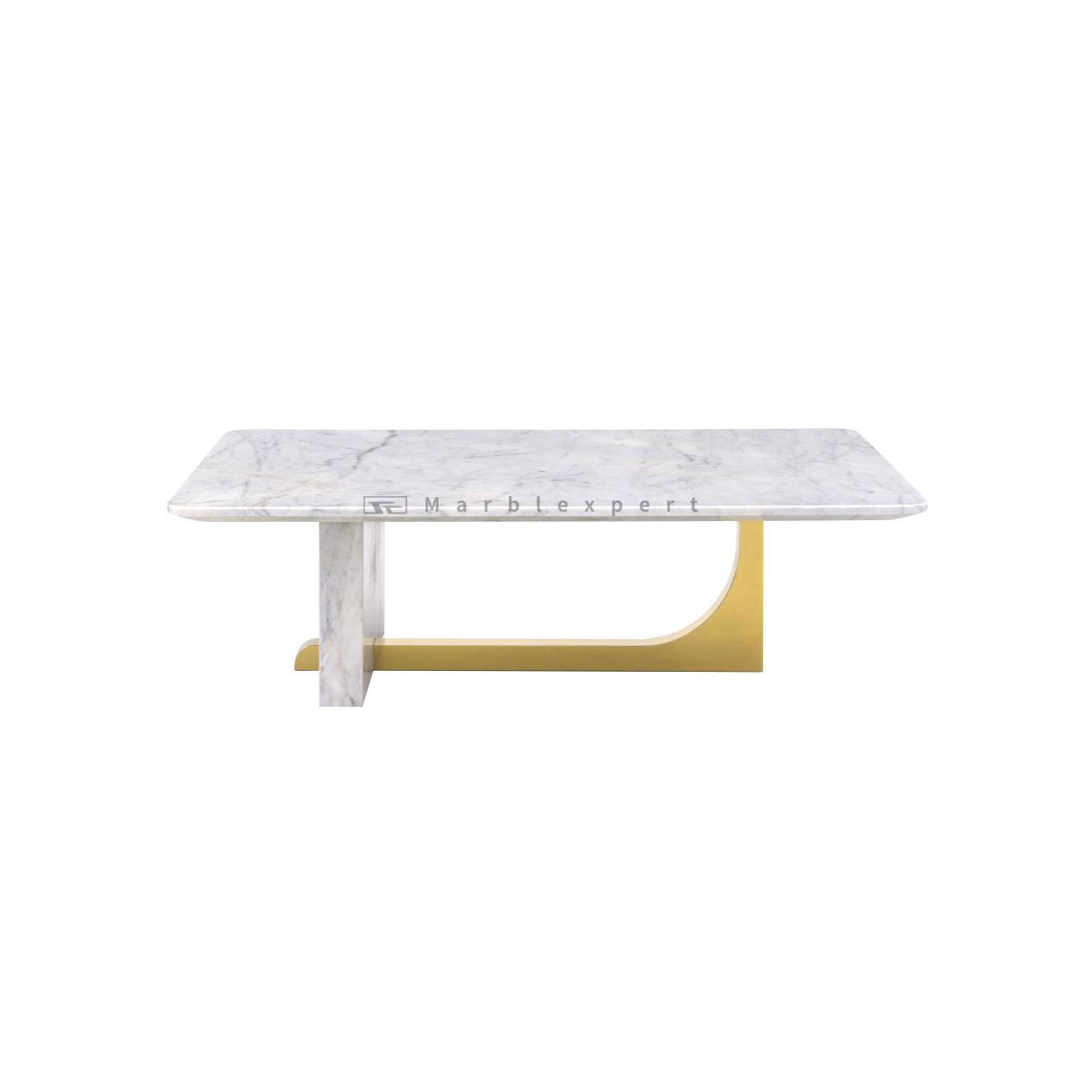
Measure and Scale: Ensuring Proportional Fit for Your Marble Coffee Table
Accurately Measuring Living Room Layout and Traffic Flow
Start by getting accurate measurements of the space. Grab a tape measure (or better yet, a laser one if available) and jot down the room's dimensions along with where all the current furniture sits. Keep at least 18 to 24 inches free for walking paths, particularly near doors and around where people sit. When dealing with open floor plans, look for the obvious routes people tend to take between couches and entertainment centers. Don't forget about those pesky obstacles either – columns sticking out or ventilation ducts on the floor can really limit where tables go. Taking time with these basics saves headaches later on. Nobody wants to end up with an expensive marble coffee table blocking their way every time they need to pass through the living area.
Optimal Square Dimensions Relative to Sofa and Seating Group
Square marble coffee tables achieve proportional harmony when scaled intentionally against seating. Follow these key benchmarks:
- Width: Match â…” the length of your primary sofa
- Clearance: Maintain 14–18 inches between table edges and seat fronts
- Group alignment: Center under U-shaped sectionals; offset slightly for L-shaped configurations
A 60-inch sofa pairs best with a 40-inch square table; larger sectionals (90+ inches) support 48-inch designs. This balance ensures comfortable reach while preserving visual cohesion across the seating group.
Height, Visual Weight, and Balance with Existing Furniture
Tables should sit at roughly the same height as the seat cushions they accompany, usually somewhere between 16 and 20 inches tall for comfortable use while eating or working. When going for those fancy tables with lots of veins running through marble surfaces or extra thick tabletops, it's wise to balance things out with heavier furniture pieces like chunky sofas or solid media units nearby. For rooms that stick to minimalism, opting for tables with thin metal legs or those finished in matte black can make the whole setup look less imposing while still standing firm against accidental bumps. Creating some interesting contrasts makes all the difference visually speaking. Try putting shiny stone surfaces next to fabric that looks duller, or pair something with a smooth finish against floors that gleam under light. Don't forget to check if tables rock around when placed on floors that aren't perfectly flat. Stability isn't just about looking good—it keeps everyone safe over time too.
Style Alignment: Matching Your Marble Coffee Table to Living Room Aesthetics
Modern, Minimalist, and Luxury Interiors: Why Square Marble Coffee Tables Excel
Square marble coffee tables just seem to belong in modern, minimalist spaces and upscale living areas. The simple shape fits right into those organized room plans where nothing feels out of place, but the natural patterns in the marble bring some subtle character too. These tables look great next to plush sofas or chairs because their sharp edges stand out against all that softness. Plus, there's plenty of space on top for arranging things people actually want to show off art books stacked neatly, small sculptures from trips abroad, maybe even some fresh flowers during springtime. Put one at the center of a sitting arrangement and suddenly everything else revolves around it. Not only does it serve as something practical to put drinks on, but it also becomes this quiet statement piece that makes the whole room feel more put together without trying too hard.
Transitional, Coastal, and Eclectic Spaces: Softening Geometry with Material and Finish
When designing more casual or complex interior spaces, it helps to tone down those sharp square shapes by mixing different materials thoughtfully. Light Carrara marble works wonders here because of those delicate, feather-like veins that bring in a beachy feel. The honed surface also cuts down on harsh reflections and gives off a warmer vibe in rooms that sit somewhere between traditional and modern styles. If we're talking about really mixed-up spaces though, going for something more natural makes sense. Think reclaimed wood bases, maybe some rattan elements, or even blackened steel pieces to shake things up a bit. Throw in some texture too - like linen place mats, ceramic serving trays, or those woven storage baskets everyone loves these days. All these little touches keep the basic shape recognizable but make the whole marble coffee table fit right into bohemian corners, old world nooks, or any space where layers of style just seem to happen naturally.
Marble Selection Essentials for a Durable and Cohesive Marble Coffee Table
Carrara, Calacatta, and Nero Marquina: Tone, Veining, and Lifestyle Suitability
The kind of marble we choose really affects how a space looks and feels, plus how durable it will be over time. Take Carrara for instance. It has those gentle gray veins running through its white to light gray base. This makes it great for kitchens or living areas where people actually live and move around, since the subtle patterns tend to hide scratches and stains pretty well. Then there's Calacatta which is totally different. The veins here are much bolder, often appearing in gold or taupe colors against that pristine white background. People usually pick this one for places they don't walk all over, like formal dining rooms or maybe an entryway where foot traffic isn't constant. And let's not forget about Nero Marquina. With its jet black surface and clean white veins, it creates stunning contrast. But honestly, this stuff requires some serious TLC. Best saved for bathrooms or other spots where maintenance isn't such a hassle day after day.
| Marble Type | Primary Tone | Veining Pattern | Best Suited For |
|---|---|---|---|
| Carrara | White/light gray | Soft, feathery veins | Casual, high-traffic spaces |
| Calacatta | Bright white | Bold, linear veins | Luxury, low-traffic settings |
| Nero Marquina | Jet black | Striking white veins | Formal rooms with careful use |
Polished vs. Honed Finishes and Their Impact on Light, Texture, and Maintenance
What kind of finish we pick really changes how a space feels, works day to day, and what kind of maintenance is needed over time. When someone goes for polished marble, they get something that bounces back a lot more light than other options. This makes rooms feel brighter and brings out those beautiful veins running through the stone. That's why polished looks great in modern spaces or anywhere wanting that luxury vibe. But there's a downside too. Water spots show up fast on this type, along with finger marks and tiny scratches from everyday use. Honed marble has this smooth, matte look instead. Light spreads across it differently, which can actually soften harsh angles in a room design. Small scuffs and marks just don't stand out as much either. For homes near the beach, mixed style interiors, or families with kids running around, honed tends to work better because it hides the normal wear and tear so well.
Maintenance differs meaningfully:
- Polished: Requires sealing every 6–12 months and immediate cleanup of acidic spills (wine, citrus, vinegar) to prevent etching.
- Honed: Needs sealing only every 12–24 months and tolerates light abrasion better—but still requires prompt spill response.
Choose honed for homes with children, pets, or frequent entertaining; reserve polished for controlled, design-forward environments where surface perfection is prioritized.
Practical Performance: Evaluating Durability, Safety, and Long-Term Value of Your Marble Coffee Table
Marble sits somewhere between 3 and 5 on the Mohs hardness scale, which means it's actually softer than both quartz and granite. Because of this, it can get damaged pretty easily when exposed to acidic stuff or scratched by unsealed ceramic dishes and metal objects around the kitchen. The Stone Institute did some research showing marble takes about 30% more beating before showing wear compared to engineered stone surfaces when put through similar tests. But here's the thing nobody talks about much - durability isn't just built into the material itself, it's something we manage day to day. For busy families, going with denser options like Nero Marquina that rates above 5 on the hardness scale makes sense. Standard Carrara marble? Probably not the best choice if there are little ones running around or pets who love to knock things over.
Never forget those coasters and trivets. Putting something hot over 120 degrees Fahrenheit right on the surface will likely crack it from thermal shock. Honed marble hides those little scratches better than polished varieties do, but then again, stains tend to show up much faster on polished surfaces. Good news is either type can usually be restored professionally if things get too bad. Seal it twice a year at least, maybe once a year for honed surfaces, wipe up spills quickly, and treat it with care in everyday use. A decent marble coffee table should last anywhere between ten to fifteen years before needing replacement, offering both lasting beauty and solid practicality for most households.
FAQ
-
Why is measuring living room layout important for selecting a marble coffee table?
Accurate measurement prevents interference with foot traffic and ensures a proportional fit with existing furniture setups, avoiding pathways where the table might block movement.
-
How do I choose the right marble type for my coffee table?
Consider lifestyle suitability and desired interior design. Carrara marble fits casual spaces, Calacatta works well in luxury settings, whereas Nero Marquina requires more maintenance but offers bold contrast for formal rooms.
-
How does finish affect marble coffee tables?
Polished finish enhances light reflection and luxury appearance but requires frequent maintenance. Honed finish softens textures and hides scratches better, ideal for active households.
-
How can I maximize the durability of my marble coffee table?
Using coasters and trivets prevents thermal shock damage. Regular sealing adds protection against spills and scratches, extending longevity.
Table of Contents
- Measure and Scale: Ensuring Proportional Fit for Your Marble Coffee Table
- Style Alignment: Matching Your Marble Coffee Table to Living Room Aesthetics
- Marble Selection Essentials for a Durable and Cohesive Marble Coffee Table
- Practical Performance: Evaluating Durability, Safety, and Long-Term Value of Your Marble Coffee Table